
Hi, I'm Sidney!
Hi, I'm Sidney!
So glad you had a minute to catch up with me!
I’m Lake Lanier’s new mascot, and I’m here to help answer your questions about Georgia’s Great Lake. You’re sure to have noticed by now my poetry on the pages of this website. I hope you enjoy learning more about Lake Lanier.
Soon you’ll be able to ask me anything, and my AI-powered chat box will help find the answers you seek about our great lake.
Until then, read on to learn more about our lake’s namesake, the poet, author, educator, and native of Georgia, Sidney Clopton Lanier.

Sidney Lanier - Georgia's Famous Poet
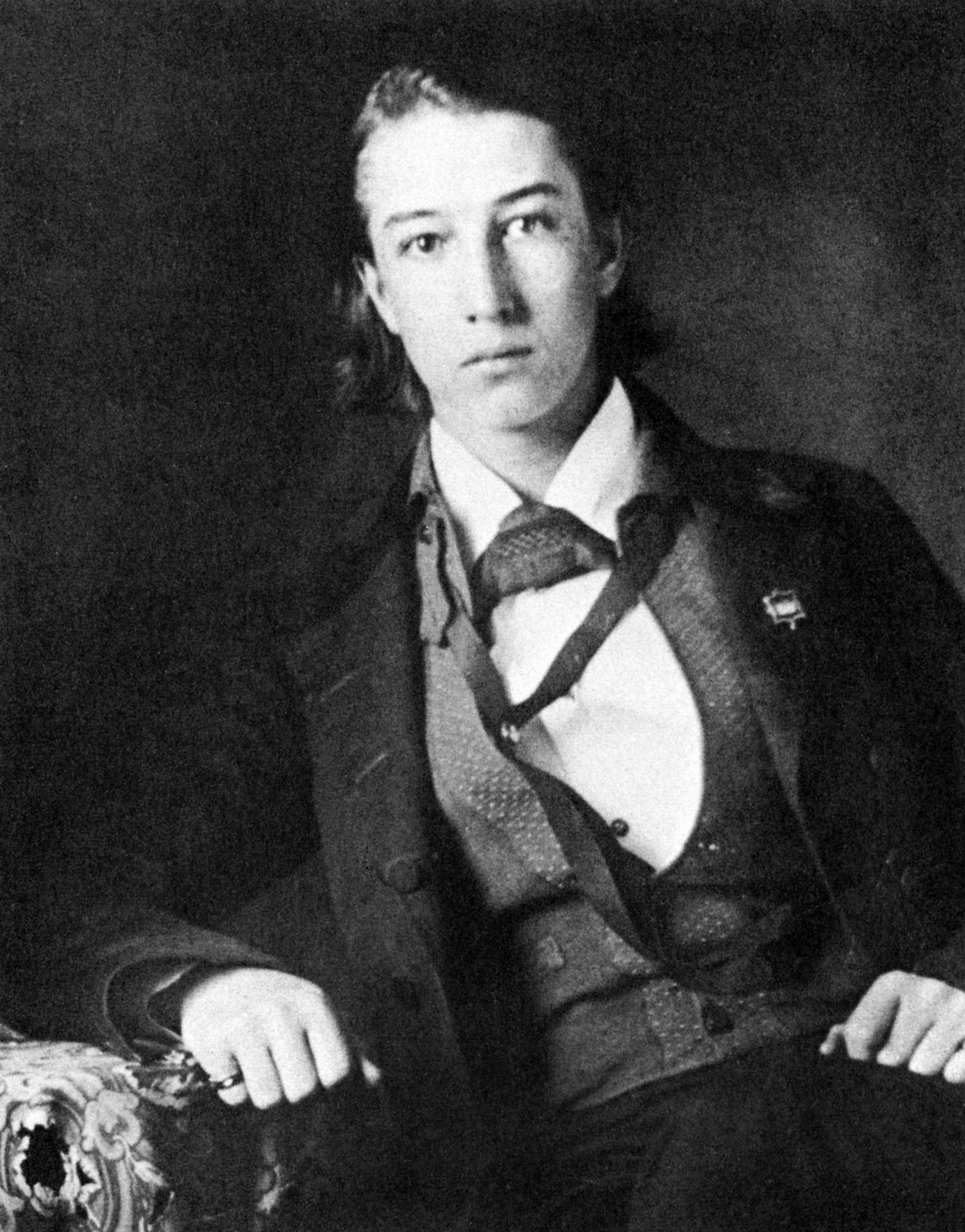
Sidney Lanier (1842-81) was a poet, tutor, soldier, lecturer, clerk, scholar, linguist, novelist, and musician, all before the age of 39, when he died while living in his adopted city of Baltimore. At the time of his death, he was considered one of the country’s great poets, ranking just after Poe, Whitman, and Emerson.
While in Baltimore, Lanier wrote most of his best known poems –“The Marshes of Glenn,” “The Symphony,” “Psalm of the West,” “Ballad of Trees and the Master,” and “Ode to the Johns Hopkins University.” These few short years, from 1873 to 1881, were the happiest of his life. He worked incessantly on the public lectures that he gave at Johns Hopkins and Peabody and above all on his poetry, for which many felt he had forsaken his first love, music.
But by 1881 he had entered the last stages of his consumption and had moved temporarily with his family to Ashville, North Carolina, for the healing air of the mountains. It was there that he died, just after completing “Sunrise,” considered one of his greatest poems.
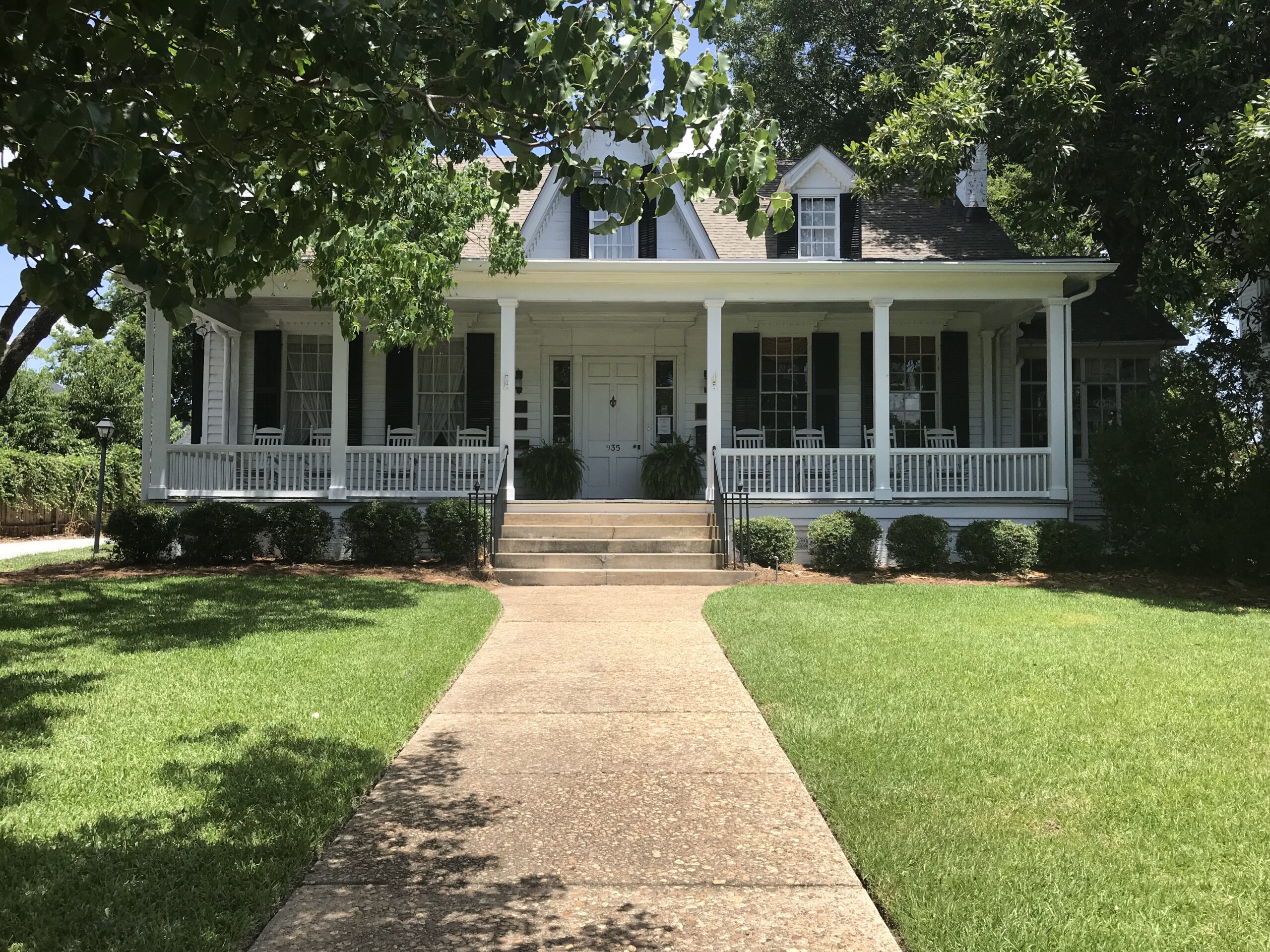
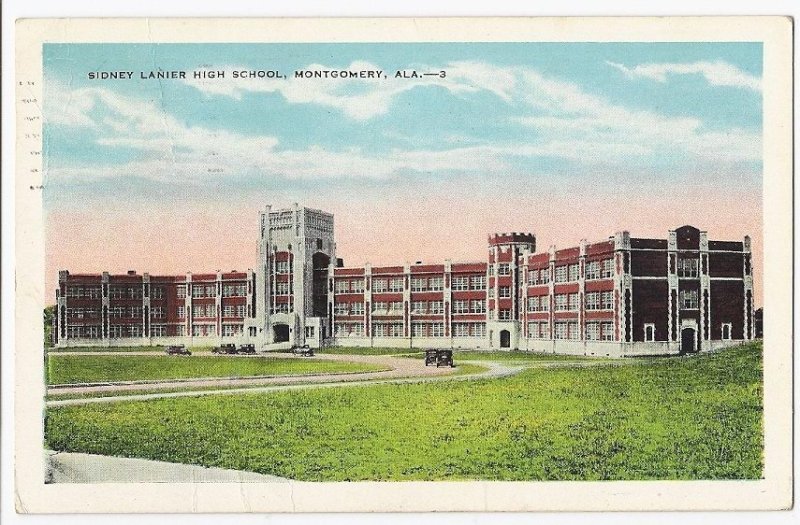
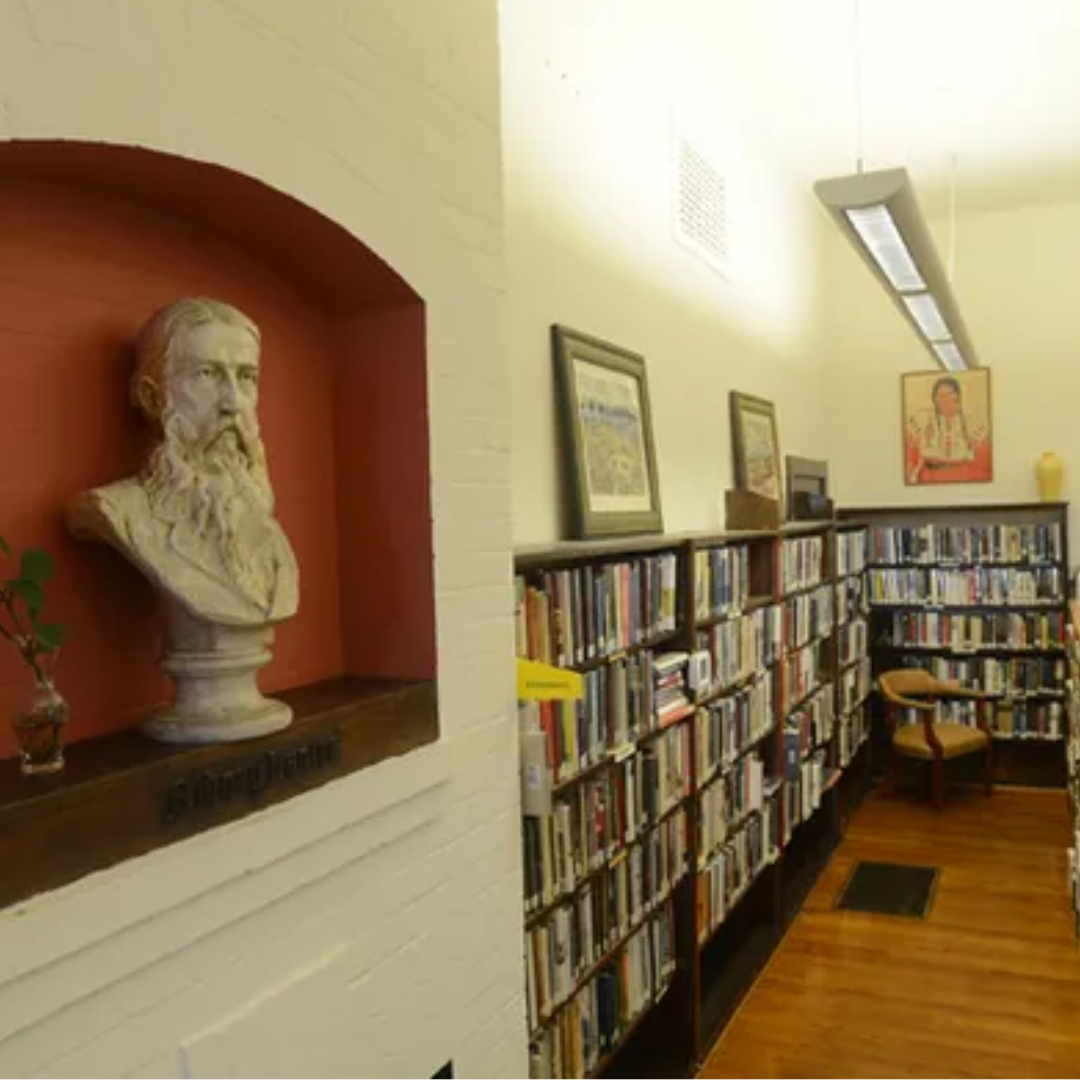
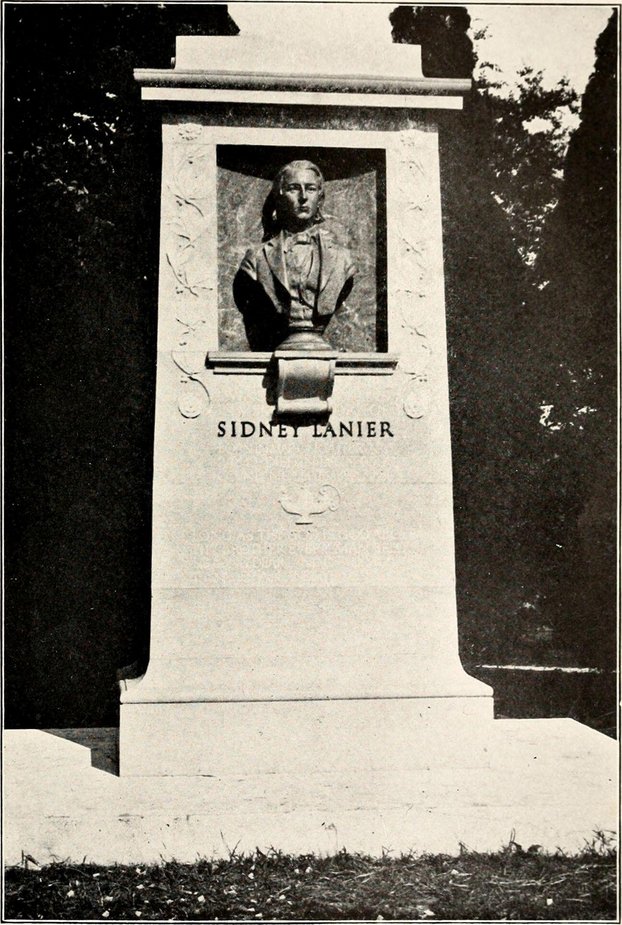
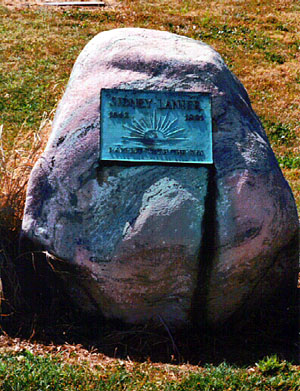
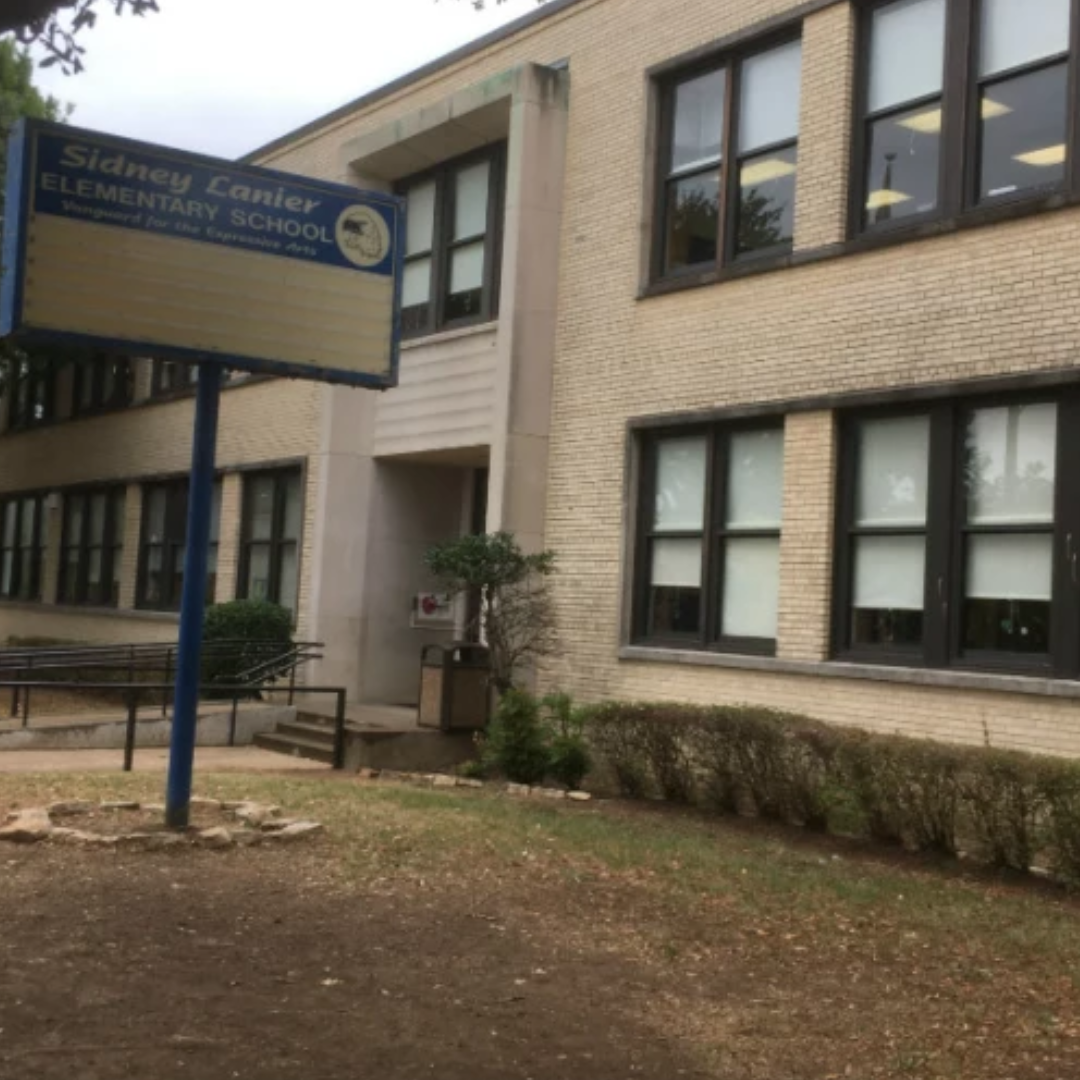
Since his untimely passing, Lanier has been remembered for his lyrical poems and teachings of the English language. Monuments, schools, bridges, lakes and other landmarks are dedicated in his honor across the country.
Most certainly the most visited landmark named in his honor is Lake Sidney Lanier in Georgia with over 12 Million visitors each year.
Monuments & memorials to Sidney Lanier
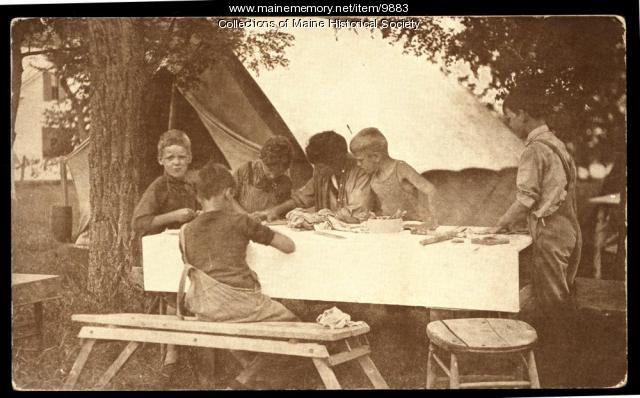
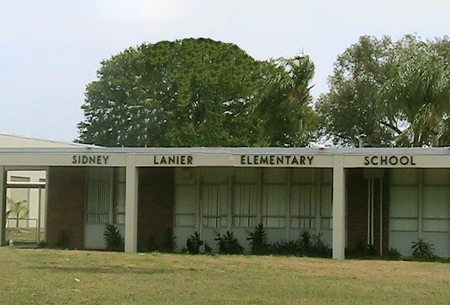
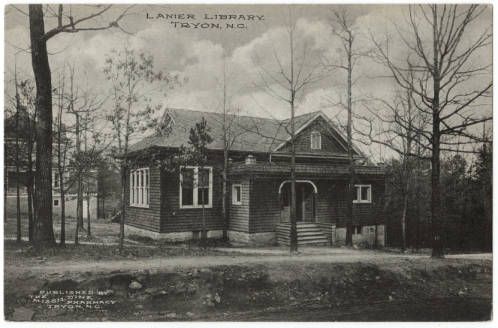
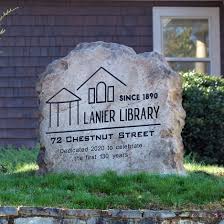
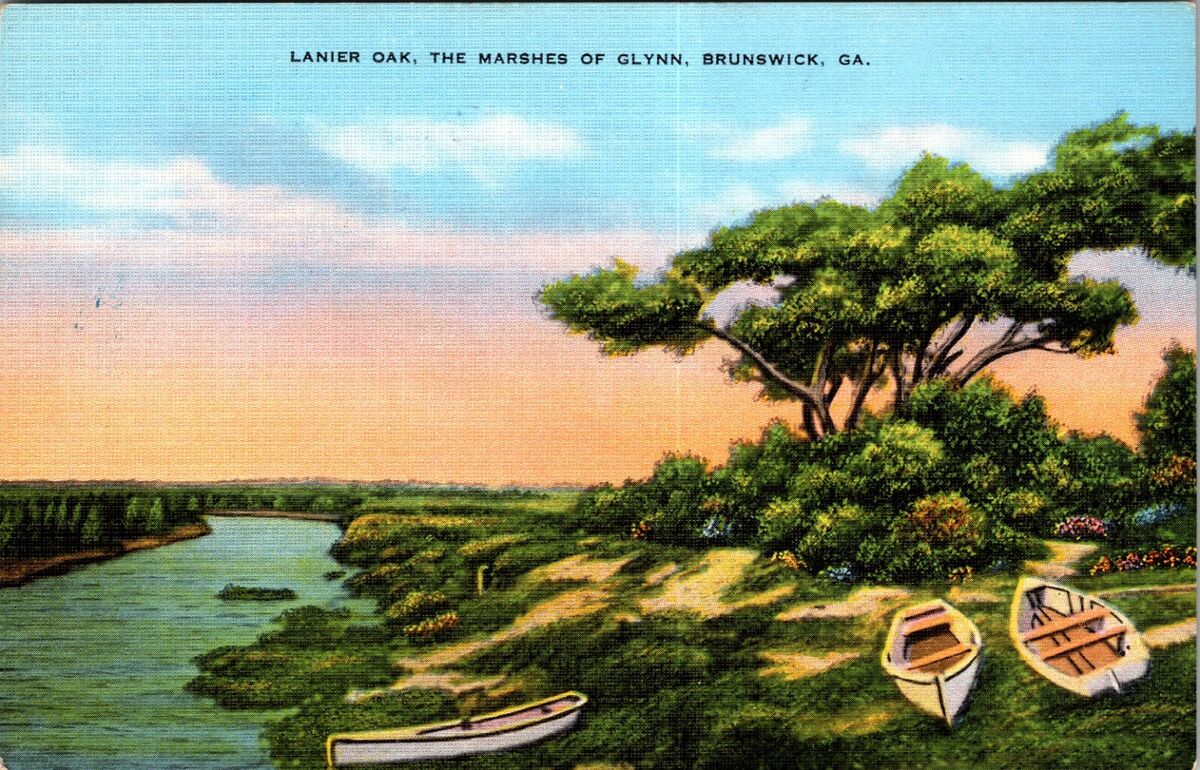
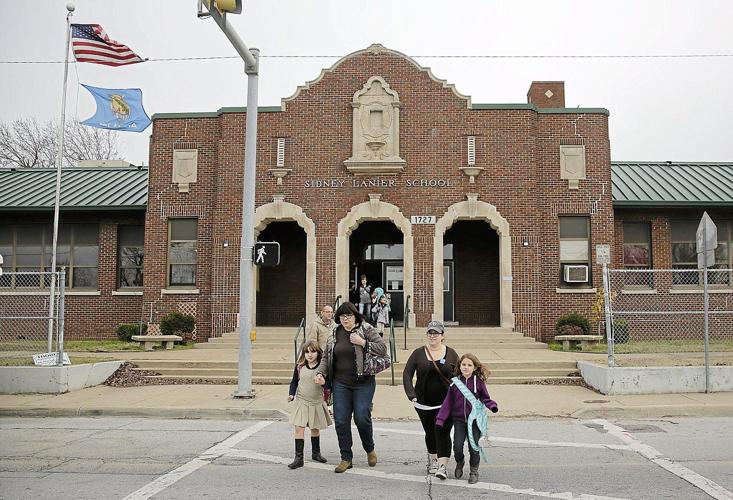


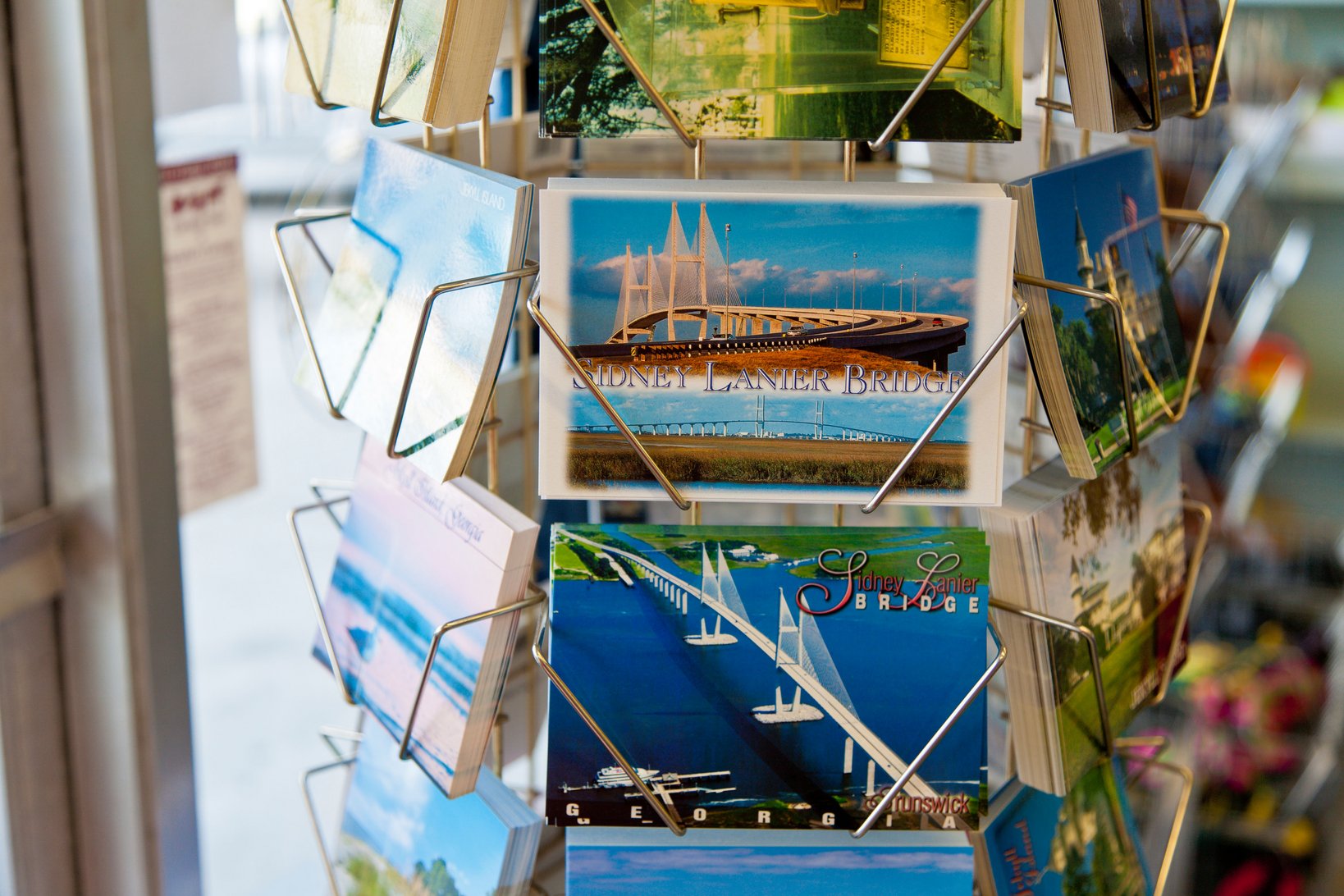




The Poem that gave our lake a name
written by Sidney Lanier (1842-1881)
Out of the hills of Habersham,
Down the valleys of Hall,
I hurry amain to reach the plain,
Run the rapid and leap the fall,
Split at the rock and together again,
Accept my bed, or narrow or wide,
And flee from folly on every side
With a lover’s pain to attain the plain
Far from the hills of Habersham,
Far from the valleys of Hall.
All down the hills of Habersham,
All through the valleys of Hall,
The rushes cried ‘Abide, abide,’
The willful waterweeds held me thrall,
The laving laurel turned my tide,
The ferns and the fondling grass said ‘Stay,’
The dewberry dipped for to work delay,
And the little reeds sighed ‘Abide, abide,
Here in the hills of Habersham,
Here in the valleys of Hall.’
High o’er the hills of Habersham,
Veiling the valleys of Hall,
The hickory told me manifold
Fair tales of shade, the poplar tall
Wrought me her shadowy self to hold,
The chestnut, the oak, the walnut, the pine,
Overleaning, with flickering meaning and sign,
Said, ‘Pass not, so cold, these manifold
Deep shades of the hills of Habersham,
These glades in the valleys of Hall.’
And oft in the hills of Habersham,
And oft in the valleys of Hall,
The white quartz shone, and the smooth brook-stone
Did bar me of passage with friendly brawl,
And many a luminous jewel lone
— Crystals clear or a-cloud with mist,
Ruby, garnet and amethyst —
Made lures with the lights of streaming stone
In the clefts of the hills of Habersham,
In the beds of the valleys of Hall.
But oh, not the hills of Habersham,
And oh, not the valleys of Hall
Avail: I am fain for to water the plain.
Downward the voices of Duty call —
Downward, to toil and be mixed with the main,
The dry fields burn, and the mills are to turn,
And a myriad flowers mortally yearn,
And the lordly main from beyond the plain
Calls o’er the hills of Habersham,
Calls through the valleys of Hall.
So glad you had a minute to catch up with me!
I’m Lake Lanier’s new mascot, and I’m here to help answer your questions about Georgia’s Great Lake. You’re sure to have noticed by now my poetry on the pages of this website. I hope you enjoy learning more about Lake Lanier.
Soon you’ll be able to ask me anything, and my AI-powered chat box will help find the answers you seek about our great lake.
Until then, read on to learn more about our lake’s namesake, the poet, author, educator, and native of Georgia, Sidney Clopton Lanier.
Sidney Lanier - Georgia's Famous Poet
Sidney Lanier (1842-81) was a poet, tutor, soldier, lecturer, clerk, scholar, linguist, novelist, and musician, all before the age of 39, when he died while living in his adopted city of Baltimore. At the time of his death, he was considered one of the country’s great poets, ranking just after Poe, Whitman, and Emerson.
While in Baltimore, Lanier wrote most of his best known poems –“The Marshes of Glenn,” “The Symphony,” “Psalm of the West,” “Ballad of Trees and the Master,” and “Ode to the Johns Hopkins University.” These few short years, from 1873 to 1881, were the happiest of his life. He worked incessantly on the public lectures that he gave at Johns Hopkins and Peabody and above all on his poetry, for which many felt he had forsaken his first love, music.
But by 1881 he had entered the last stages of his consumption and had moved temporarily with his family to Ashville, North Carolina, for the healing air of the mountains. It was there that he died, just after completing “Sunrise,” considered one of his greatest poems.
Since his untimely passing, Lanier has been remembered for his lyrical poems and teachings of the English language. Monuments, schools, bridges, lakes and other landmarks are dedicated in his honor across the country.
Most certainly the most visited landmark named in his honor is Lake Sidney Lanier in Georgia with over 12 Million visitors each year.
Monuments & memorials to Sidney Lanier
The Poem that gave our lake a name
written by Sidney Lanier (1842-1881)
Out of the hills of Habersham,
Down the valleys of Hall,
I hurry amain to reach the plain,
Run the rapid and leap the fall,
Split at the rock and together again,
Accept my bed, or narrow or wide,
And flee from folly on every side
With a lover’s pain to attain the plain
Far from the hills of Habersham,
Far from the valleys of Hall.
All down the hills of Habersham,
All through the valleys of Hall,
The rushes cried ‘Abide, abide,’
The willful waterweeds held me thrall,
The laving laurel turned my tide,
The ferns and the fondling grass said ‘Stay,’
The dewberry dipped for to work delay,
And the little reeds sighed ‘Abide, abide,
Here in the hills of Habersham,
Here in the valleys of Hall.’
High o’er the hills of Habersham,
Veiling the valleys of Hall,
The hickory told me manifold
Fair tales of shade, the poplar tall
Wrought me her shadowy self to hold,
The chestnut, the oak, the walnut, the pine,
Overleaning, with flickering meaning and sign,
Said, ‘Pass not, so cold, these manifold
Deep shades of the hills of Habersham,
These glades in the valleys of Hall.’
And oft in the hills of Habersham,
And oft in the valleys of Hall,
The white quartz shone, and the smooth brook-stone
Did bar me of passage with friendly brawl,
And many a luminous jewel lone
— Crystals clear or a-cloud with mist,
Ruby, garnet and amethyst —
Made lures with the lights of streaming stone
In the clefts of the hills of Habersham,
In the beds of the valleys of Hall.
But oh, not the hills of Habersham,
And oh, not the valleys of Hall
Avail: I am fain for to water the plain.
Downward the voices of Duty call —
Downward, to toil and be mixed with the main,
The dry fields burn, and the mills are to turn,
And a myriad flowers mortally yearn,
And the lordly main from beyond the plain
Calls o’er the hills of Habersham,
Calls through the valleys of Hall.